Why visit Malaysian Borneo
Borneo is the third largest island in the world, shared by Malaysia, Indonesia and Brunei. The Malaysian part is made up of two states, Sabah in the north and Sarawak along the north-west coast, separated from Peninsular Malaysia by the South China Sea. Together they hold some of the richest rainforest in Asia and wildlife found nowhere on the peninsula.
This is Malaysia for nature lovers and adventurous travellers: expect early starts, boat rides and humid jungle walks, rewarded by orangutans, proboscis monkeys and hornbills. It suits shoppers and nightlife seekers less well.
Sabah highlights
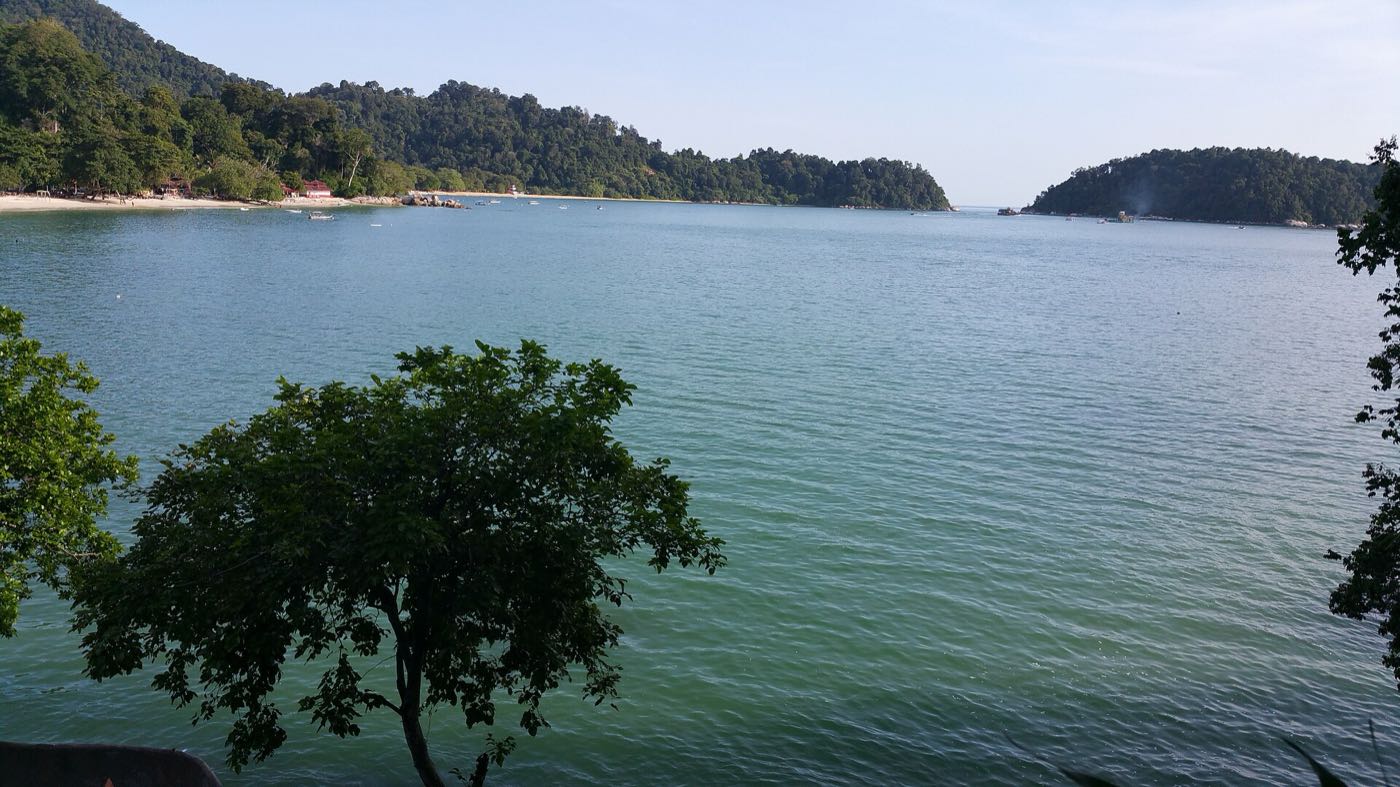
Sabah's capital, Kota Kinabalu, is the usual gateway, with a lively waterfront and the islands of Tunku Abdul Rahman Park a short boat ride offshore. The state is often called the Land Below the Wind because it lies just south of the typhoon belt.
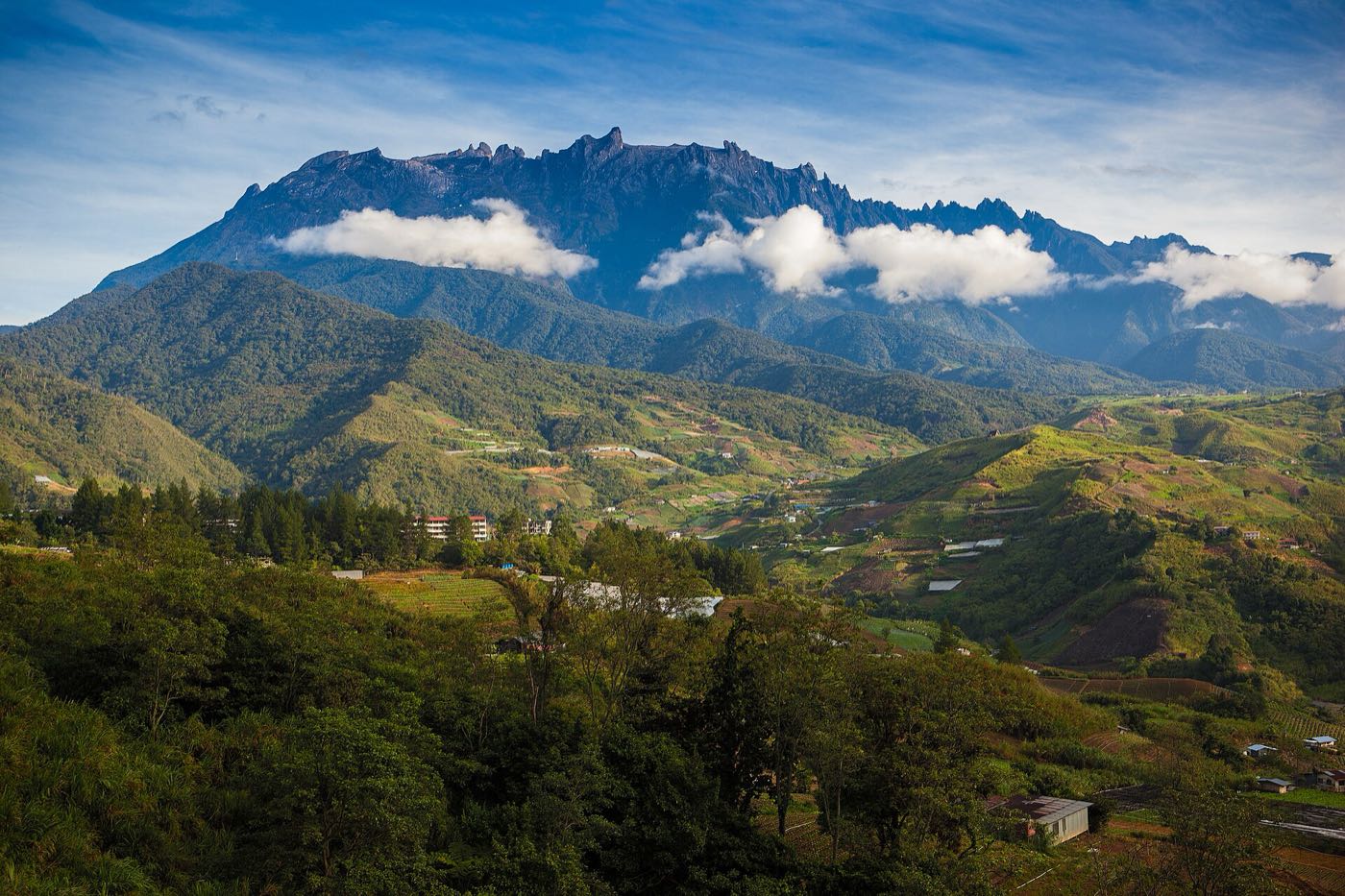
Mount Kinabalu
At 4,095 metres this is Malaysia's highest peak and the centrepiece of Kinabalu Park, a UNESCO World Heritage Site. The climb usually takes two days with a night in a mountain hut, and climbers need a permit and a licensed guide. Permits are limited, so book well ahead.
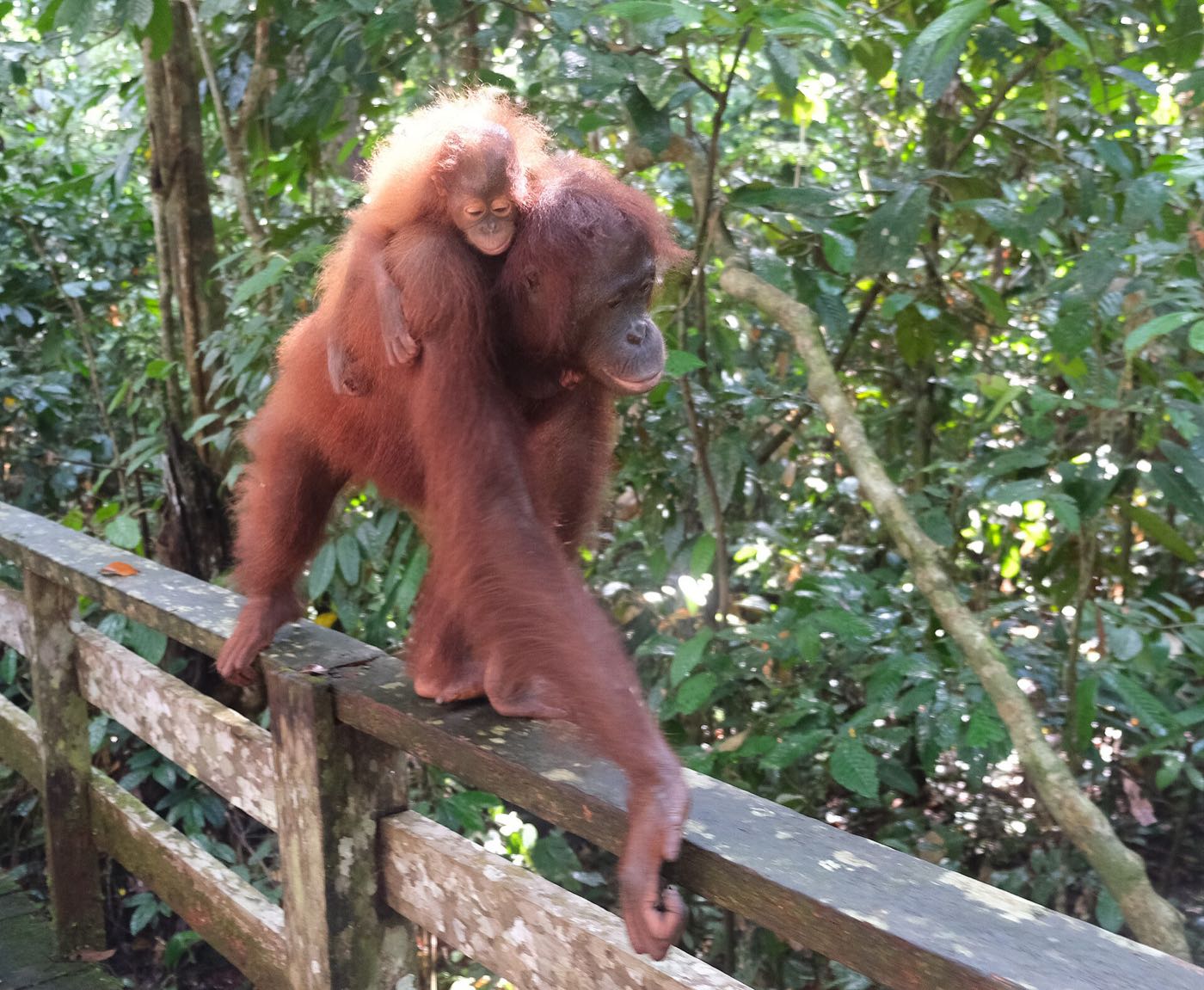
Sepilok Orangutan Rehabilitation Centre
Near Sandakan, the centre cares for orphaned orangutans and prepares them for life in the forest. Visitors watch from boardwalks, and a sun bear conservation centre is next door.
Kinabatangan River
Boat safaris on Sabah's longest river are the best way to spot proboscis monkeys, hornbills, crocodiles and, with luck, pygmy elephants. Most visitors spend a night or two in a riverside lodge.
Islands and diving
Snorkellers hop between the islands off Kota Kinabalu, while experienced divers head to Sipadan off the east coast, where daily permits are strictly limited.
Sarawak highlights
Sarawak is Malaysia's largest state. Its capital, Kuching, is a relaxed riverside city with a pretty waterfront, old shophouses and good food, and it makes a comfortable base for day trips into the rainforest.
Semenggoh Nature Reserve
Semi-wild orangutans roam the forest here, a short drive from Kuching, and often come in to the feeding area. Sightings are not guaranteed, especially in fruiting season.
Bako National Park
Reached by boat, Bako combines beaches, sandstone cliffs and jungle trails where proboscis monkeys are often seen.
Sarawak Cultural Village
A living museum near Damai Beach showing the traditional houses, crafts and dances of Sarawak's many communities, including Iban and Bidayuh longhouses.
Gunung Mulu National Park
A UNESCO World Heritage Site famous for enormous caves and razor-sharp limestone pinnacles. It is remote and usually reached by air via Miri, so allow extra days.
Getting there
Flights from Kuala Lumpur take roughly two and a half hours to Kota Kinabalu and just under two hours to Kuching. Reaching Sandakan, Miri or Mulu, or crossing between the two states, usually means another domestic flight.
Tip: Sabah and Sarawak run their own immigration checks, so carry your passport on flights from Kuala Lumpur. Read our Malaysia visa guide for general guidance and confirm current requirements on official Malaysian government channels before booking.
How long to stay and when to go
Allow at least four nights for one state, and a week or more to see both or to climb Mount Kinabalu. In Sabah, many travellers pair Kota Kinabalu with a flight to Sandakan for Sepilok and the Kinabatangan. In Sarawak, three or four nights in Kuching covers Semenggoh, Bako and the Cultural Village.
Borneo is hot, humid and rainy all year. The months from around March to October tend to be drier, though patterns vary by region. Our guide to the best time to visit Malaysia can help you choose dates.
How to fit it into your trip
Borneo is not part of our standard itineraries, as it needs its own block of days and extra flights. Most travellers add it after time on the peninsula: follow the Kuala Lumpur, Genting and Langkawi route in our Malaysia tour package from India, then extend with four or five nights in Sabah for Sepilok and the rainforest. Residents of Malaysia can build a Borneo break into a tour package from within Malaysia.
Dreaming of orangutans and rainforest? Tell us how many days you can spare and we will suggest a Borneo extension that fits.
Get a free quoteFrequently asked questions
Do I need a separate visa for Sabah and Sarawak?
Both states are part of Malaysia, so visitors do not normally apply for a separate visa. They do run their own immigration checks, so carry your passport on domestic flights and confirm current rules on official Malaysian government channels before you travel.
Where can I see orangutans?
Sepilok in Sabah and Semenggoh in Sarawak offer the most reliable chances, with rescued and semi-wild orangutans. Wild orangutans are sometimes seen along the Kinabatangan River, but sightings depend on luck.
Do I need to be fit to climb Mount Kinabalu?
Yes. The trail is steep and long and reaches high altitude, so good fitness and a permit with a licensed guide are essential. Non-climbers can still enjoy the gardens and lower trails of Kinabalu Park.
Is Sabah or Sarawak better for a first visit?
Sabah suits travellers who want Mount Kinabalu, Sepilok, a river safari and islands. Sarawak, based around Kuching, is easier to explore on day trips and strong on culture.